chapter one
Nesting
Blue tits are cavity nesters.
To keep safe, they use tiny holes in trees, rotting trunks, and old woodpecker nests.
— From Bird Boy’s Notebook —
“We need to talk about Parus,” huffs Major, landing in a flower bed
Blue tits are cavity nesters.
To keep safe, they use tiny holes in trees, rotting trunks, and old woodpecker nests.
— From Bird Boy’s Notebook —
“We need to talk about Parus,” huffs Major, landing in a flower bed beside my boat. A familiar tang of hawthorn berries clings to his feathers.
I join him among the tulips. The weather is mild, but I can sense rain on the way.
Rain means worms. And we robins do love worms.
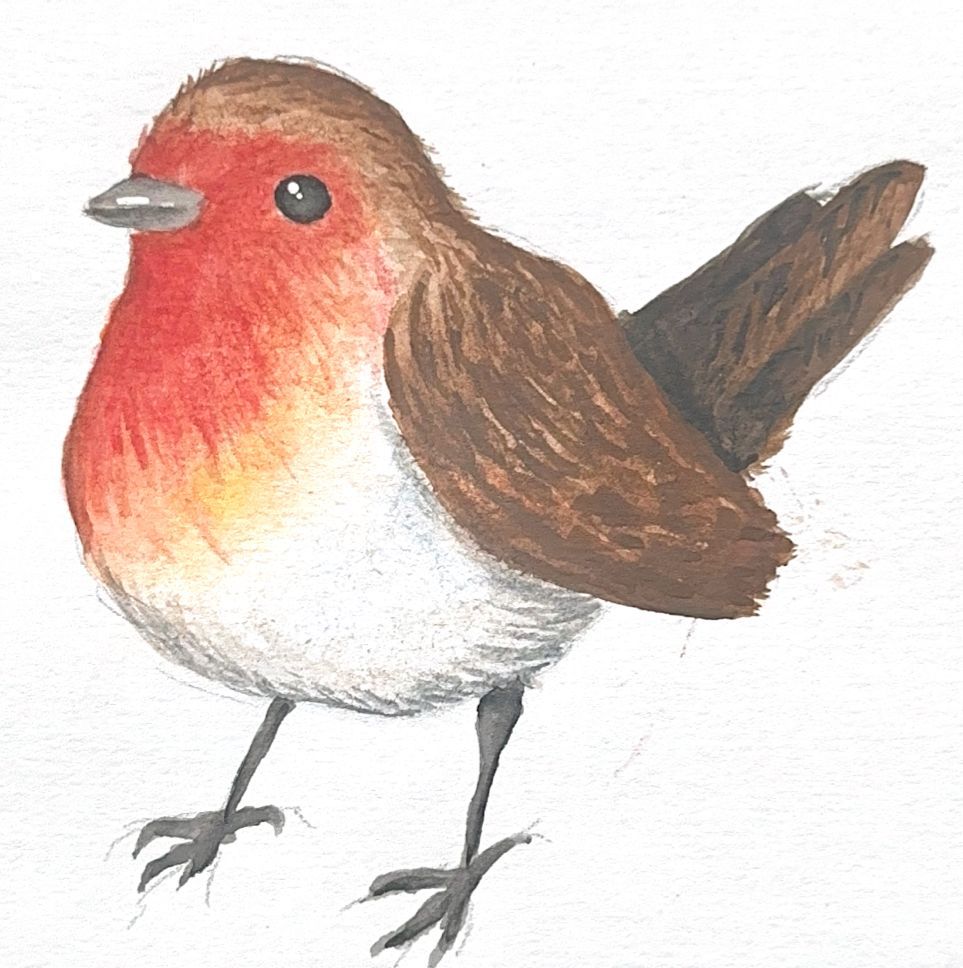
“What now?” I ask, fluffing out my red breast with irritation. I was in the middle of a nice bird-nap.
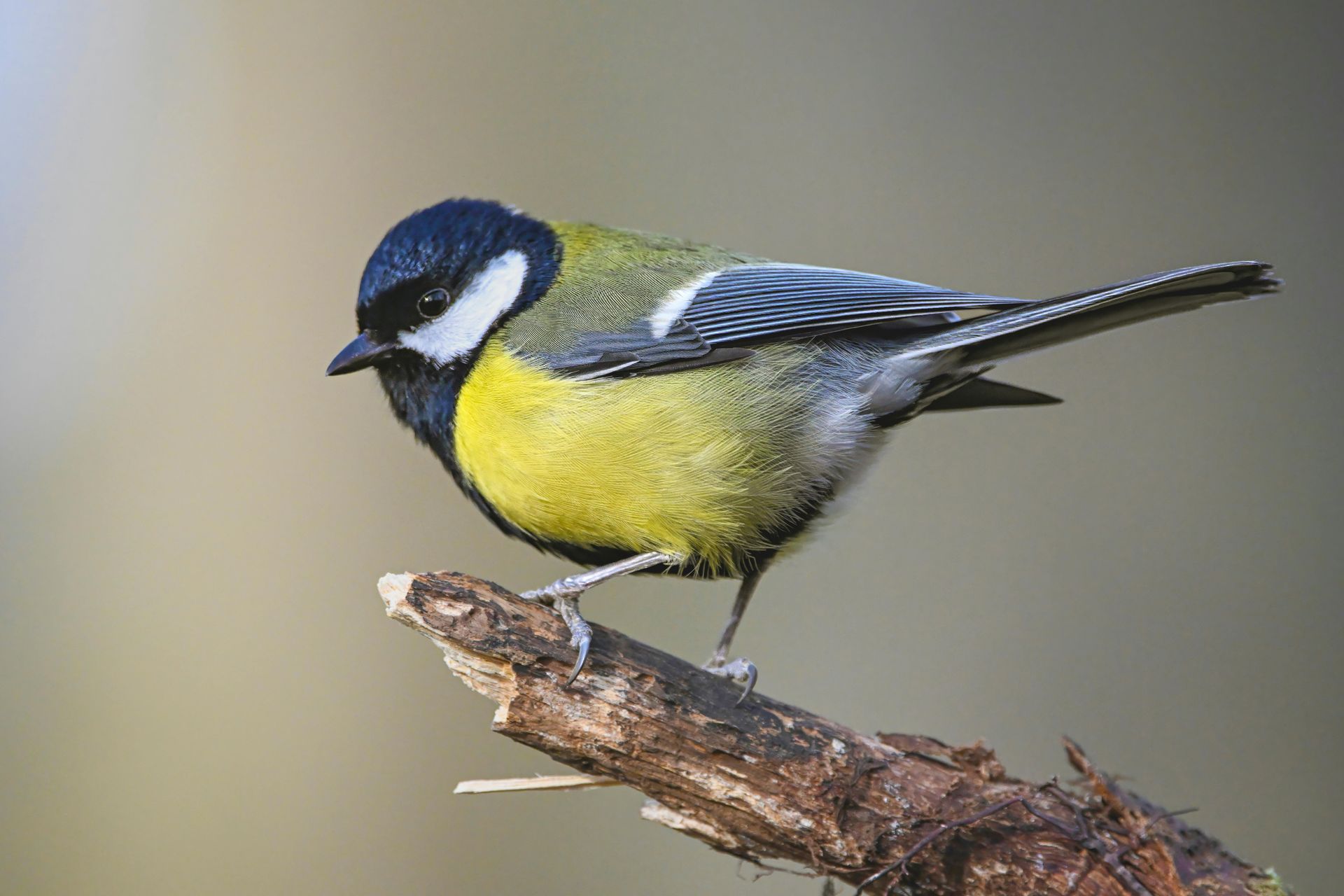
“She won’t listen,” barks the great tit, snatching at a passing cranefly. “She’s nest building in Riddle’s old woodpecker hole. I’ve told her it’s stupid. She hasn’t even got a mate.”
A blackcap warbles in the hedge.
“Rube! Are you listening?” barks Major.
“Yes. Sorry. Sounds like at least she’s having fun.”
Major flutters his wings, his magnificent yellow belly puffed out like a giant bumblebee.
“It won’t be fun if she’s eaten by a weasel. The opening’s too wide,” he barks. “Even Phil could get in.”
Phil, a song thrush, is twice the size of Major and me, so this is worrying.
“See for yourself,” commands Major.
Although I’m the lead singer in The Songbird Choir, Major — who used to live in Maple Tree garden until we adopted him as one of ours — is much bossier. And he’s usually right.
So in three flaps, we’re high in the apple tree, our feathers being tickled by its soft pink blossom. From here I can see right across to The Farmland, and a shiver runs down my spine at the sight of it. Shadows move in the misty trees, and the place looks colder and darker than our garden. Nobirdy from Riverside Garden goes there. Not unless they're desperate.
“Twigs, and feathers, and hair and leaves. My babies will be so happeeeee!” trills a familiar voice.
I wince at the lack of rhythm.
"At least they'll hatch before May Day," chirps a sparrow from the hedge. "We'll have a proper chorus to welcome the swallows."
"If they come," mutters another darkly.
"They always come," I snap. "And they will this year too."
But doubt prickles under my feathers. Gardens without song are gardens without luck. And the swallows know.
“Ridiculous,” mutters Major, flying away just as Parus darts into the cavity with a beakful of moss.
The nest hole has weathered since I was last up here, its perfect circle softened by rain and roughened by insects. Now it’s far too big to keep Parus safe.
“Tweetle,” I call, announcing my presence in the polite way we do in Riverside Garden. “May I come in!”
“Come and see!” chirrups Parus, fluffing her feathers excitedly.
I gobble a glorious green caterpillar, then hop inside to deliver my message. Parus must move to a safer place immediately.
As if to remind us of the risks, a flurry of frantic tsik-tsik-tsik erupts just beyond the blossom. Major, alerting the songbirds to some unseen danger.
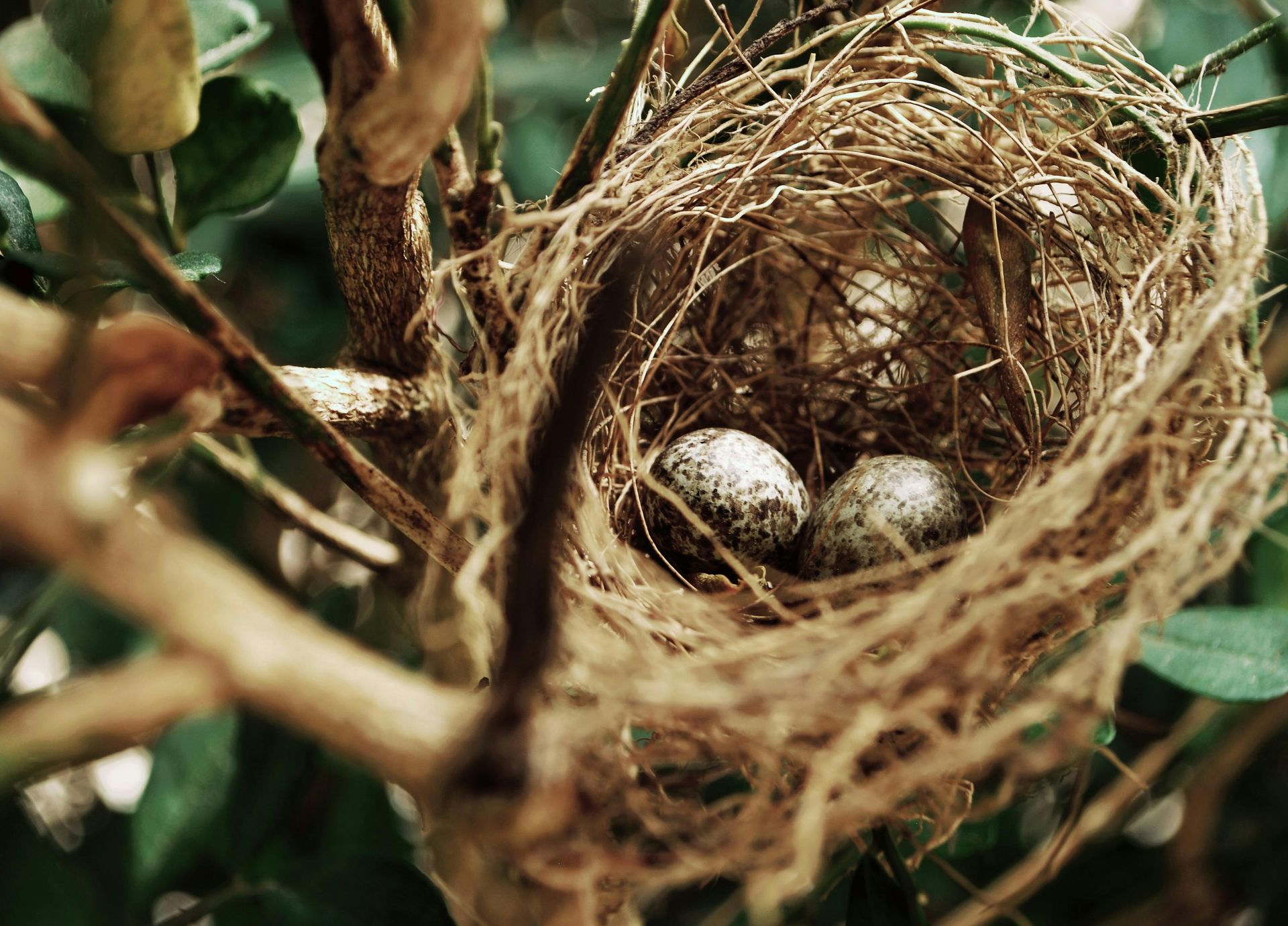
But inside the cavity is an oasis of calm. The wood smells of rain and age. Young Parus has done her best with the nest, and although it’s messy and incomplete, my little friend is perching on its edge, fizzing with excitement.
“I popped out to get some moss and LOOK!” she twitters, cocking her head to inspect her handiwork.
I close my eyes and sigh.
Now we will have to arrange an around the clock guard for the entrance to the cavity.
Because despite Major’s warnings, Parus has already started laying.
And inside her nest lie three perfect little speckled eggs.
And there’s a fourth, which doesn’t quite match.